
Signs You May Need A New Denture
Dentures can be a life-changing solution for anyone dealing with missing teeth, helping restore function, confidence, and quality of life. However, like any dental appliance, dentures don’t last forever. Over time, they can become worn, uncomfortable, or even harmful to your oral health if not replaced when necessary. If you’re wondering whether it’s time for a new denture, paying attention to certain signs can make all the difference. Ignoring these red flags may lead to more serious dental issues down the road.
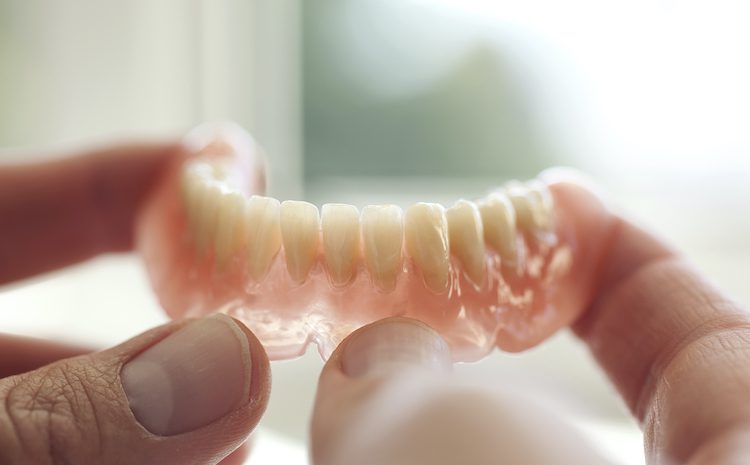
Discomfort or Pain
One of the clearest signs that your dentures may need to be replaced is persistent discomfort. While some soreness is normal when you first start wearing dentures, any ongoing pain or irritation after the initial adjustment period should not be ignored. You might feel sore spots on your gums, pressure points, or even pain in your jaw. These can be indicators that your dentures no longer fit properly or that the base has warped or deteriorated. Changes in your mouth’s shape over time, including gum recession or bone loss, can cause your once well-fitting dentures to become loose or misaligned. This misfit can lead to rubbing and pressure in the wrong places, resulting in chronic discomfort.
Difficulty Chewing or Speaking
Well-fitted dentures are designed to help you chew your food properly and speak clearly. If you start struggling with these basic functions, it’s likely your dentures are not working as they should. You might notice food slipping under your dentures or find it harder to pronounce certain words. These issues often indicate that the dentures are not sitting securely in your mouth and may need to be relined, adjusted, or replaced altogether.
Visible Wear and Tear
Dentures go through a lot of use daily, and just like natural teeth, they can wear down over time. Cracks, chips, or worn-down teeth on the denture base are signs that your dentures are aging. Even if the damage seems minor, it can compromise the effectiveness of your dentures and lead to more significant problems later. Material degradation can also occur. Over time, the acrylic base can become discolored, brittle, or warped. If your dentures no longer look or feel like they used to, it’s a strong indication they may be at the end of their lifespan.
Slipping or Movement
A proper denture should fit snugly and stay in place during normal activities like eating, talking, or smiling. If your dentures slip or move around unexpectedly, especially without adhesive, they are no longer fitting as they should. Loose dentures can be not only frustrating but also embarrassing and even dangerous if they cause choking or mouth injuries. This can also be a sign that your mouth has changed shape, a natural occurrence as you age. When your jawbone begins to shrink due to tooth loss, the denture base may no longer match your gumline, leading to slippage.
Chronic Bad Breath or Infections
If you’re experiencing persistent bad breath or frequent oral infections, your dentures might be to blame. Ill-fitting or old dentures can trap food particles and bacteria, which are difficult to remove even with thorough cleaning. This buildup can lead to unpleasant odors or oral conditions such as stomatitis and thrush. In some cases, the materials of old dentures themselves may become porous over time, harboring bacteria even when properly cleaned. A fresh, well-fitting denture not only feels better but also helps maintain better hygiene and oral health.
Time Since Last Replacement
On average, dentures should be replaced every five to ten years. If it’s been longer than that since your last set, it’s a good idea to schedule an appointment with your dentist for an evaluation, even if you haven’t noticed major issues. Your mouth changes with age, and a new denture could significantly improve your comfort and oral health.
Denture Care in Rogers, AR
If you have missing teeth, Dr. Heather Adams is here to help. She offers a wide range of restorative dentistry treatments, including dentures and implants. With the right treatment plan, you could restore your bite and improve your smile. Contact her office today to schedule a consultation and learn more about your restorative treatment options.