
Snoring vs. Sleep Apnea: What’s the Difference?
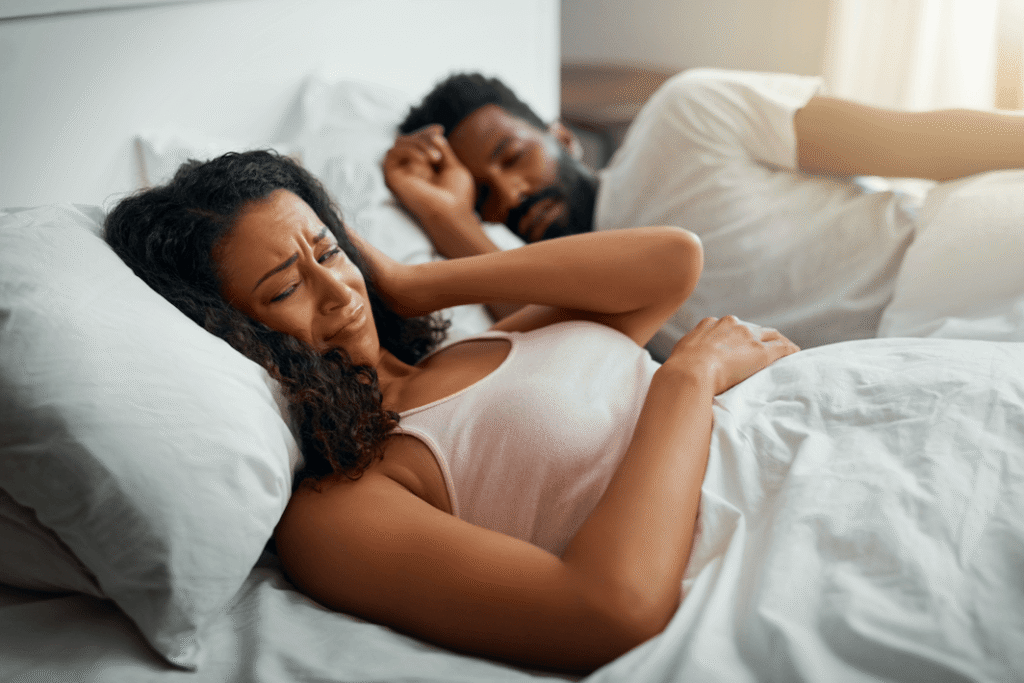
Do you or your partner snore? Snoring is often an annoying but harmless condition. However, it can also be a symptom of obstructive sleep apnea. Knowing the difference between snoring and sleep apnea could be the key to protecting your health.
At Dr. Heather Adams Dentistry in Rogers, AR, Dr. Heather Adams offers sleep apnea treatment to patients in her Rogers, AR office. People may not associate dental care with sleep disorders, but dental professionals can treat mild cases of sleep apnea. If you are searching for sleep apnea treatment in Rogers, AR, Dr. Adams can help.
What Is Obstructive Sleep Apnea?
Obstructive sleep apnea, or OSA, is characterized by airway obstruction. When you fall asleep, the tissues in your airways relax and can become smaller. These tissues can obstruct the airway. OSA can make it difficult to breathe and may result in heart problems.
When your airway becomes blocked, your breathing stops for a few seconds. Your brain wakes you up just enough to start breathing again. This cycle can repeat hundreds of times a night. You may not even remember waking up, but your body does and it takes a toll.
What is the Difference Between Snoring and Sleep Apnea?
Many people wonder whether their snoring is just a nuisance or a sign of something more serious. Snoring and sleep apnea are often confused. They both happen during sleep and involve your airway. But they are very different conditions.
Snoring
Snoring is a sound. It happens when air flows past relaxed tissues in your throat. Those tissues vibrate, and that vibration creates noise.
Snoring can be loud or soft. It can be occasional or regular. While snoring itself does not mean you are in danger, it can be a warning sign.
Sleep Apnea
Sleep apnea is a pause in breathing. It happens when your airway becomes completely blocked. The soft tissues in your throat collapse and close off your airway. Your body stops getting oxygen.
After a few seconds, your brain wakes you up just enough to start breathing again. You may gasp or choke and may not even remember it happening.
The difference is breathing. With snoring, you are still breathing. With sleep apnea, you are not. That pause in breathing is what makes sleep apnea dangerous.
If you are unsure whether you have snoring or sleep apnea, pay attention to other symptoms. Do you wake up with headaches? Are you tired during the day? Do you have trouble concentrating?
If your partner notices that you stop breathing during sleep, that is a red flag. These are signs that your snoring may be more than just noise.
Why It Matters to Know the Difference
Knowing the difference between snoring and sleep apnea can literally save your life.
Sleep apnea is linked to high blood pressure, heart disease, stroke, and diabetes. It can also cause accidents from daytime drowsiness. Snoring is mostly an annoyance. It can disturb your partner, but it does not pose the same health risks.
That’s why you want to pay attention to more than just the noise. If your snoring is accompanied by any of these signs, it may be sleep apnea:
- Wake up gasping or choking
- Wake up with a headache
- Feel exhausted during the day
- Have trouble concentrating
- Wake up with a dry mouth or sore throat
If you experience any of these, do not dismiss them as just snoring. Talk to Dr. Adams about a sleep apnea screening.
Sleep Apnea Treatment with Your Dentist
Mild or moderate cases of OSA can be treated using oral appliance therapy. Before treatment, Dr. Adams will review your symptoms. She will also take your budget and physical health into consideration. This helps her determine whether an oral appliance is the right option for you.
If oral appliance therapy is the chosen treatment, Dr. Adams will take dental impressions of your teeth and gums. That way, she can ensure a custom fit.
What Does a Sleep Appliance Do?
A sleep appliance gently holds your lower jaw forward while you sleep. That tiny shift is often enough to keep your airway open.
When your airway stays open, you stop snoring. You stop waking up gasping and you finally get the deep, restorative sleep your body has been craving.
Because the appliance is custom-made for your mouth, it stays in place all night. No slipping or adjusting, hust a secure fit that lets you sleep without thinking.
In some cases, Dr. Adams may refer you to a specialist if your symptoms are severe enough for surgery. But for many patients, the oral appliance alone makes a world of difference.
Let Us Help You Sleep Better
Do you snore? Wake up exhausted? Have a dry mouth in the morning? These could be signs of sleep apnea. Dr. Adams can help you find the right solution.
Call our office at (479) 323-3011 or request a consultation online. We would love to help you get the rest you deserve.