
Could Snoring Be A Dental Health Concern?
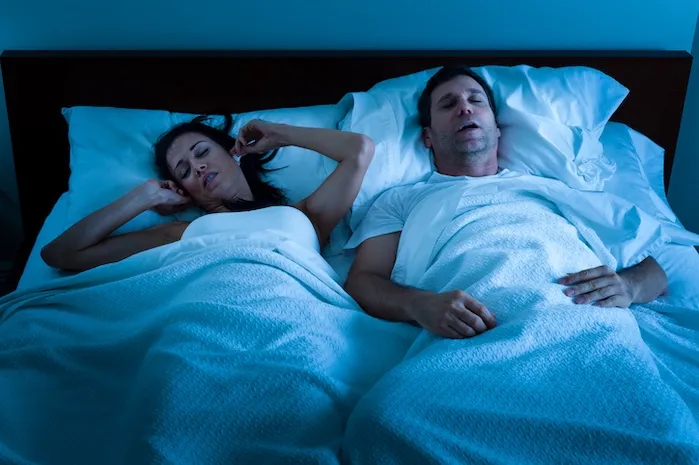
Snoring is often dismissed as a nuisance. Your partner nudges you in the middle of the night. You wake up with a dry mouth or feel tired even after a full night of sleep.
But snoring is not just annoying. It can signal a serious health condition called sleep apnea. Snoring can also affect your dental health.
At Dr. Heather Adams Dentistry in Rogers, AR, Dr. Heather Adams helps patients understand the link between snoring and dental health. If you need treatment for snoring and sleep apnea in Rogers, AR, you have come to the right place.
What Is Sleep Apnea and How Does It Work?
Sleep apnea is a common health concern that affects all aspects of your health. Snoring, chronic fatigue, and dry mouth are only a few of the more minor symptoms of this complex issue. Diagnosing and treating sleep apnea is essential for protecting your health and smile.
Obstructive sleep apnea occurs when the soft tissue at the back of your throat collapses during sleep. This blocks your airway for brief intervals.
When this happens, your breathing stops for a few seconds. Your brain wakes you up just enough to start breathing again. This cycle can repeat hundreds of times a night.
Common Symptoms of Sleep Apnea
Do you snore or wake up with headaches on a regular basis? Do you have difficulty concentrating throughout the day?
Sleep apnea can impact your mood, your health, and your smile. Common symptoms of sleep apnea include:
- Chronic headaches
- Difficulty concentrating
- Waking repeatedly gasping for air
- Chronic fatigue
- Depression
- High blood pressure
- Dry mouth
- Increased tooth decay
If you snore loudly, are over 40, or have a family history of sleep apnea, you should be screened for sleep apnea yearly. Treating sleep apnea as soon as you begin to experience it can prevent secondary health conditions. In many patients, early care can prevent heart attacks, strokes, or other heart health problems.
The Link Between Snoring and Dental Health
Many people do not realize that snoring and dental health are connected. Snoring can cause dry mouth. Dry mouth reduces saliva production.
Saliva helps wash away food particles and neutralize acids. Without enough saliva, your risk of tooth decay and gum disease increases.
Snoring can also be a sign of sleep apnea. Sleep apnea causes you to breathe through your mouth at night. This dries out your mouth and throat. Over time, this can lead to:
- Increased cavities
- Gum disease
- Bad breath
- Tooth sensitivity
- Changes in your bite
If you snore, it is worth talking to your dentist. While not everyone who snores has sleep apnea, it is a common sign. Dr. Adams can help you understand the connection between snoring and dental health. She can also treat gum disease or tooth infections as needed.
How Sleep Apnea Affects Your Overall Health
Untreated sleep apnea does more than just make you tired. It can have serious consequences for your overall health:
- Heart problems: Sleep apnea puts strain on your heart. The repeated drops in oxygen levels increase your blood pressure. Over time, this can lead to heart disease, heart attacks, and stroke.
- Diabetes: Sleep apnea is linked to insulin resistance. This can make it harder to control your blood sugar.
- Cognitive decline: Chronic lack of sleep affects your brain. It can lead to memory problems, difficulty concentrating, and mood changes.
- Accidents: Daytime sleepiness increases your risk of car accidents and workplace injuries.
Treating sleep apnea can improve your health, your mood, and your quality of life.
Treating Sleep Apnea With Your Rogers, AR Dentist
While many patients may not think of their dentist when seeking sleep apnea treatment, Dr. Heather Adams has the training to treat it effectively. Dr. Adams provides oral sleep appliance therapy to address snoring and sleep apnea.
An oral sleep appliance realigns the upper and lower jaw, keeping the airway open while you sleep. Patients who wear an oral sleep appliance can breathe freely while they rest.
The oral sleep appliance is custom-designed to fit your bite comfortably. The device is discreet and highly effective at decreasing the side effects of obstructive sleep apnea.
How an Oral Appliance Works
An oral appliance for sleep apnea looks like a sports mouthguard. It fits over your teeth and holds your lower jaw slightly forward. This small shift keeps your tongue and soft tissues from blocking your airway.
The appliance is custom-made for your mouth. Dr. Adams takes impressions of your teeth to ensure a perfect fit. The result is a device that is comfortable, secure, and effective.
Many patients prefer an oral appliance to CPAP. It’s quiet, portable, and easy to use. There are no masks, hoses, or machines. You simply wear it at night and enjoy better sleep.
Schedule Your Sleep Apnea Consultation with Dr. Adams Today
Do you snore? Wake up tired? Have a dry mouth in the morning? These could be signs of sleep apnea. Don’t ignore them.
Dr. Adams can screen you for sleep apnea and help you find relief. An oral appliance could be the simple, comfortable solution you have been looking for.
Call Dr. Heather Adams Dentistry today at (479) 323-3011. Schedule a consultation and take the first step toward better sleep and better health.